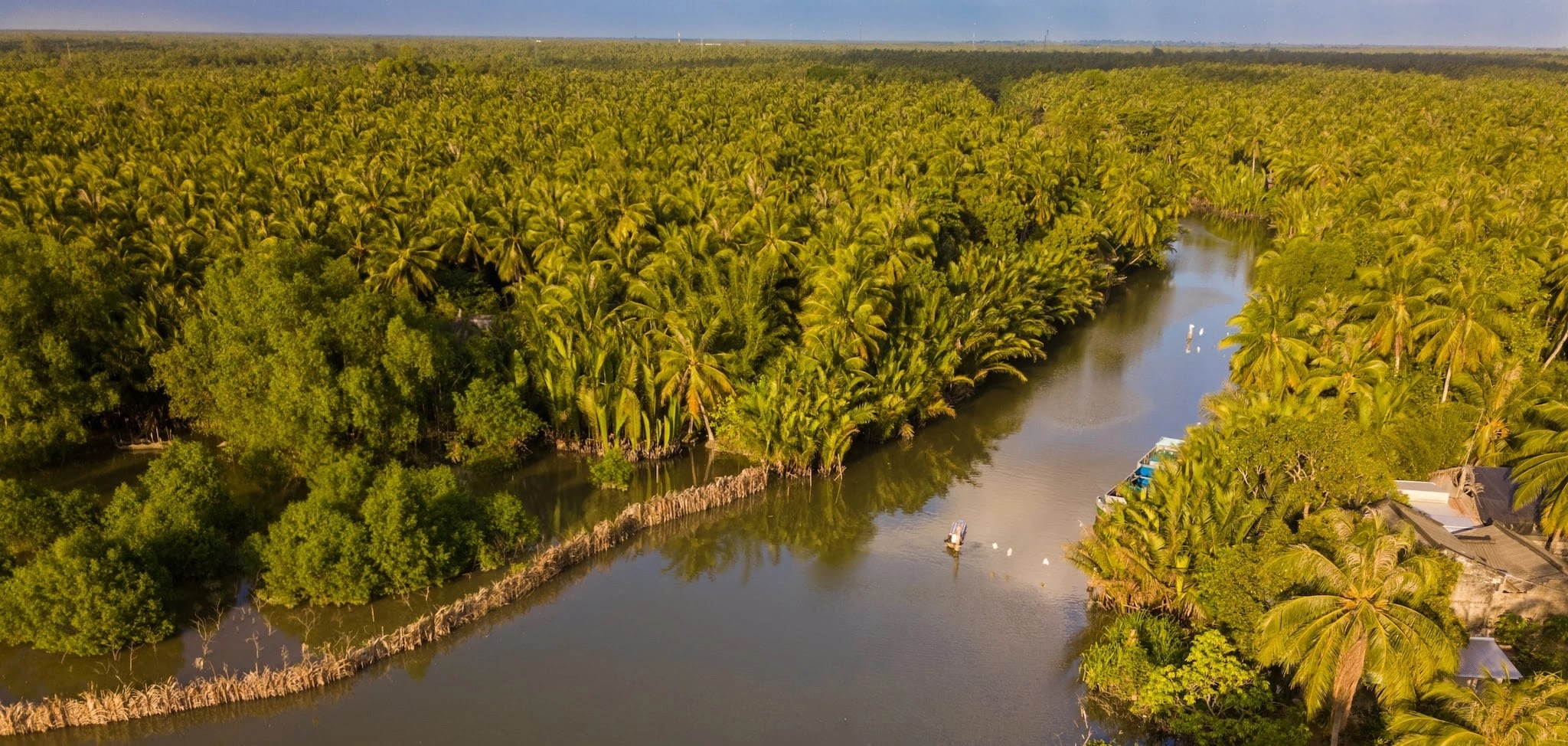
Choose two or three bases—not six rushed stops.
For a first trip, spend three to five days combining rural Ben Tre with river-city Can Tho. Add Tra Vinh for Khmer culture or Vinh Long for islands and fruit gardens. Stay overnight, begin early when needed and let weather, tides and local life set the pace.
First, understand what the Mekong Delta is
The Mekong Delta covers a large part of southern Vietnam. Major rivers split into branches, while canals connect towns, farms and homes. Road travel now links most destinations, but water still shapes agriculture, trade, food and daily routines.
There is no single “Mekong Delta experience.” A floating market in Can Tho, a coconut garden in Ben Tre and a Khmer temple in Tra Vinh tell different stories. The most useful itinerary combines contrasts without spending every day in transit.
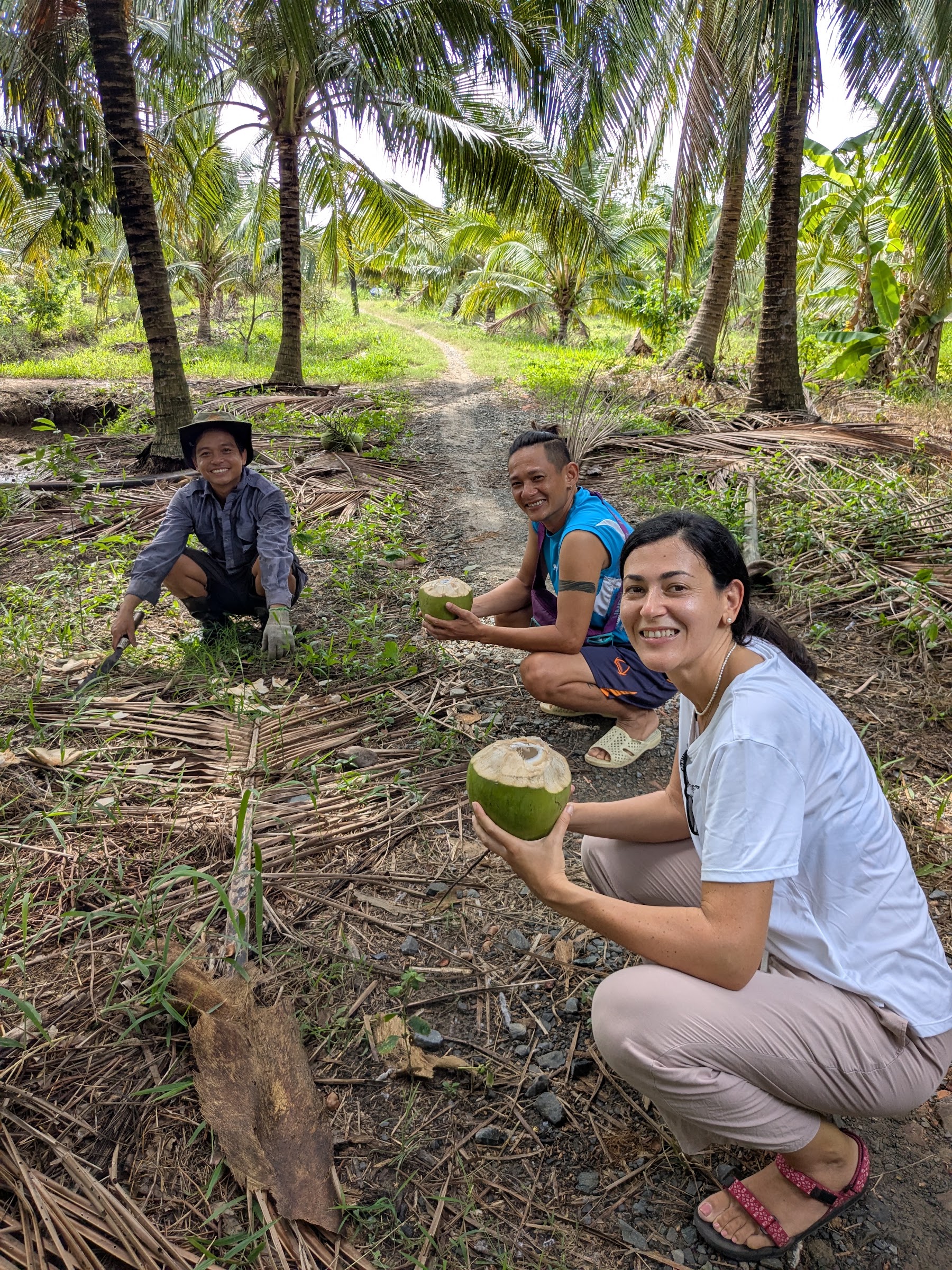 Conversation in a working garden gives the landscape human context. Photo: Coco Happy Farm.
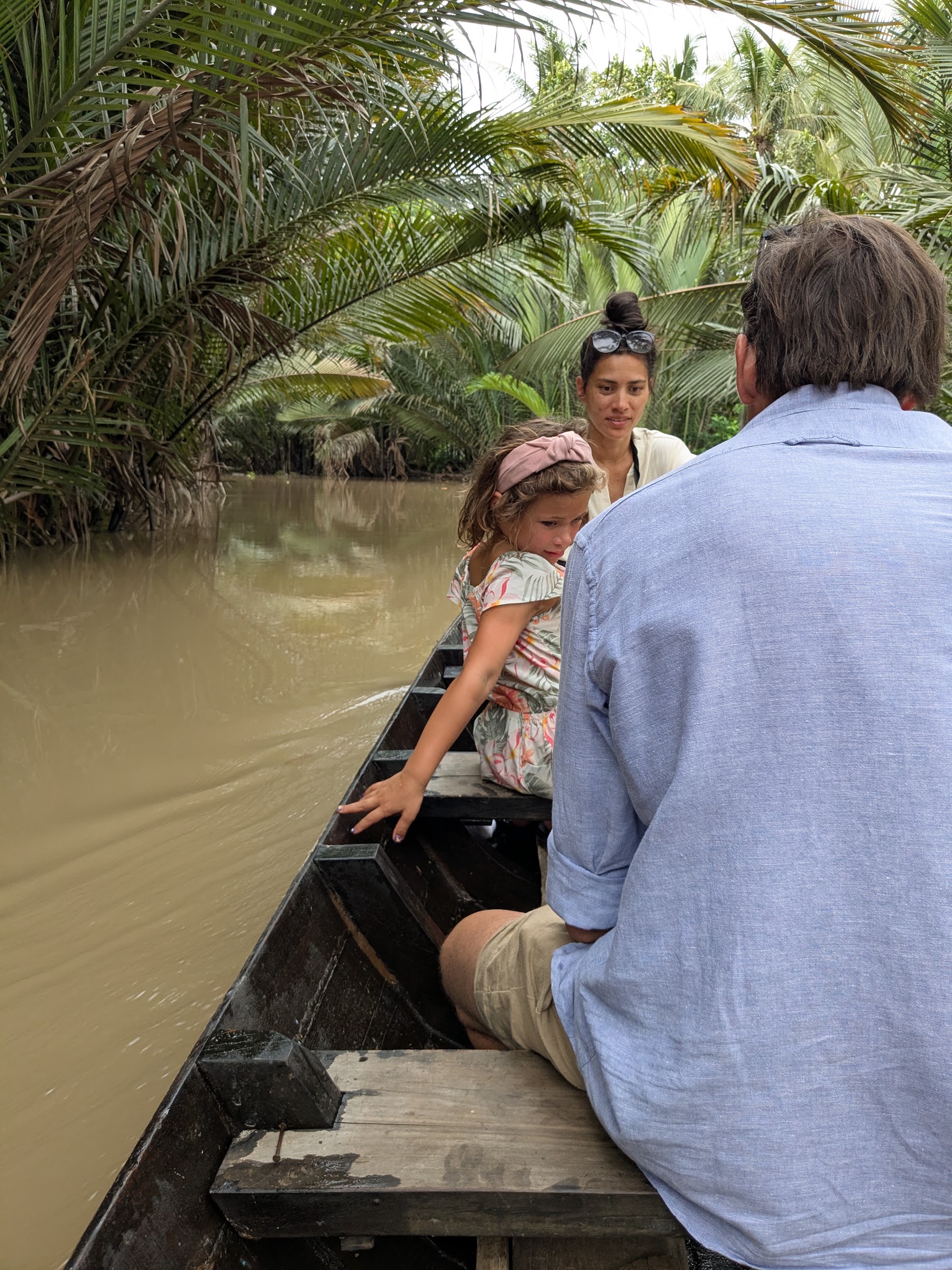 Small sampans enter canals that larger boats cannot. Photo: Coco Happy Farm.
Where to go in the Mekong Delta
Ben Tre: coconut country at village pace
Ben Tre is the strongest base for travelers who want to cycle beneath coconut palms, meet farming families, use small waterways and stay outside a city. At Coco Happy Farm in Lương Hòa, the perspective is first-hand: this is a working family coconut farm, not a recreated village attraction.
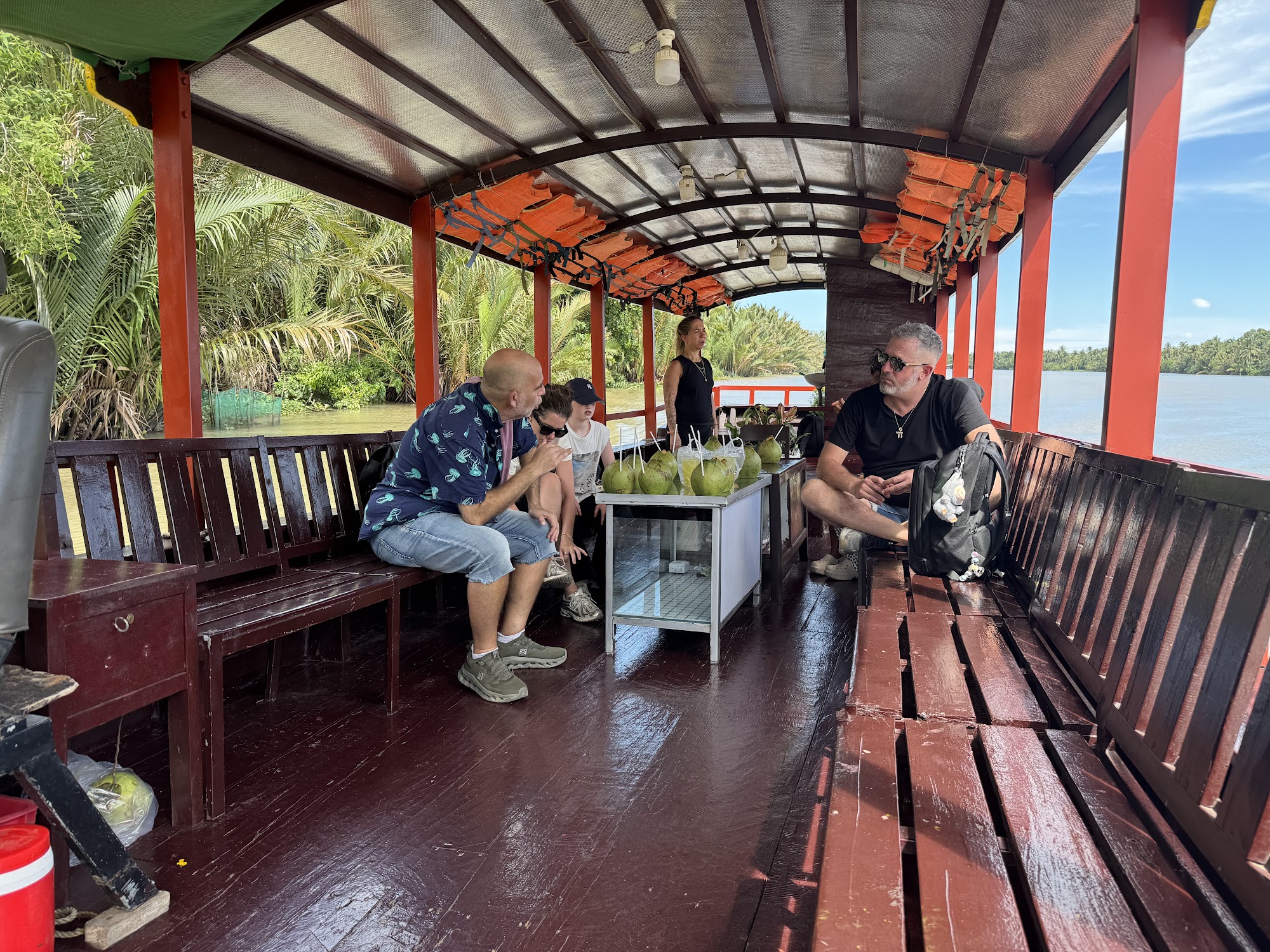 A covered boat gives shade and a wider river view. Photo: Coco Happy Farm.
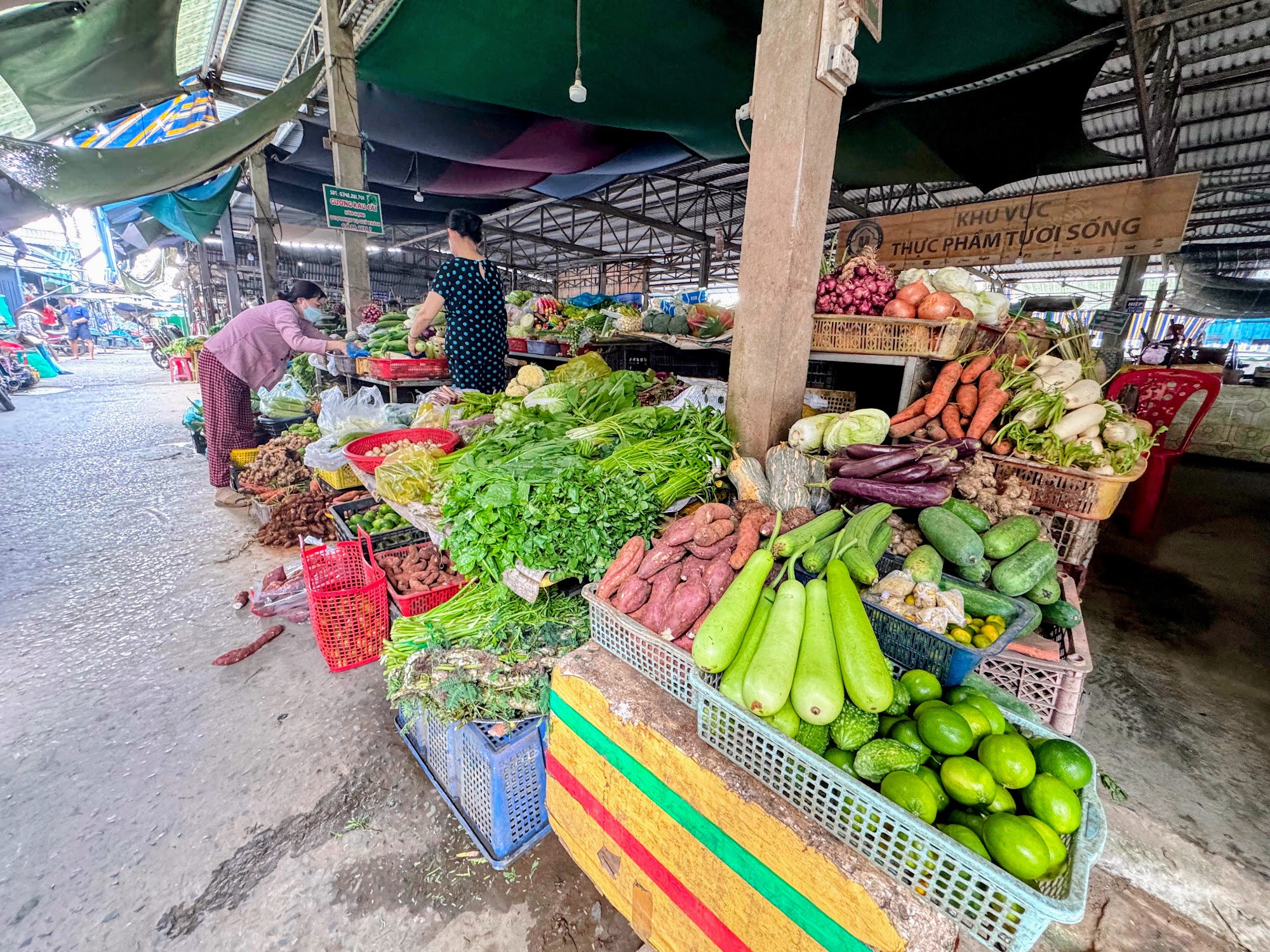 Local markets connect nearby farms with everyday kitchens. Photo: Coco Happy Farm.
Can Tho: the Delta's river city
Can Tho is useful for transport connections, hotels and an early visit to Cai Rang Floating Market. The market is most active in the morning and should be approached as a working trading space, not a guaranteed performance. Pair it with Ben Tre rather than treating the two places as substitutes.

Tra Vinh: Khmer culture and a quieter rhythm
Tra Vinh adds an important cultural layer through its Khmer community and Theravada Buddhist temples. Visit active religious sites respectfully: dress modestly, keep voices low, ask before photographing people and confirm the correct temple name rather than treating every ornate building as interchangeable.

Vinh Long: islands, gardens and an onward stop
Vinh Long works well between Ben Tre and Can Tho. Its river islands and orchards suit travelers who want garden visits or a homestay without another large city. Fruit availability changes by season, so avoid planning a trip around one fruit unless a local host confirms it.
Realistic Mekong Delta itineraries
Ben Tre + Can Tho
Day 1: arrive and explore rural Ben Tre. Day 2: cycle, eat locally and travel onward. Day 3: visit Cai Rang early, then continue or return.
Add Tra Vinh or Vinh Long
Keep two nights in Ben Tre, one or two in Can Tho and use the remaining night for Khmer culture or a river-island stay.
Travel slowly
Use three bases, build in a quiet morning and avoid stacking long transfers with major activities on the same day.
Possible, but limited
Choose one compact area. Do not promise yourself the whole Delta between a morning departure and an evening return to Ho Chi Minh City.
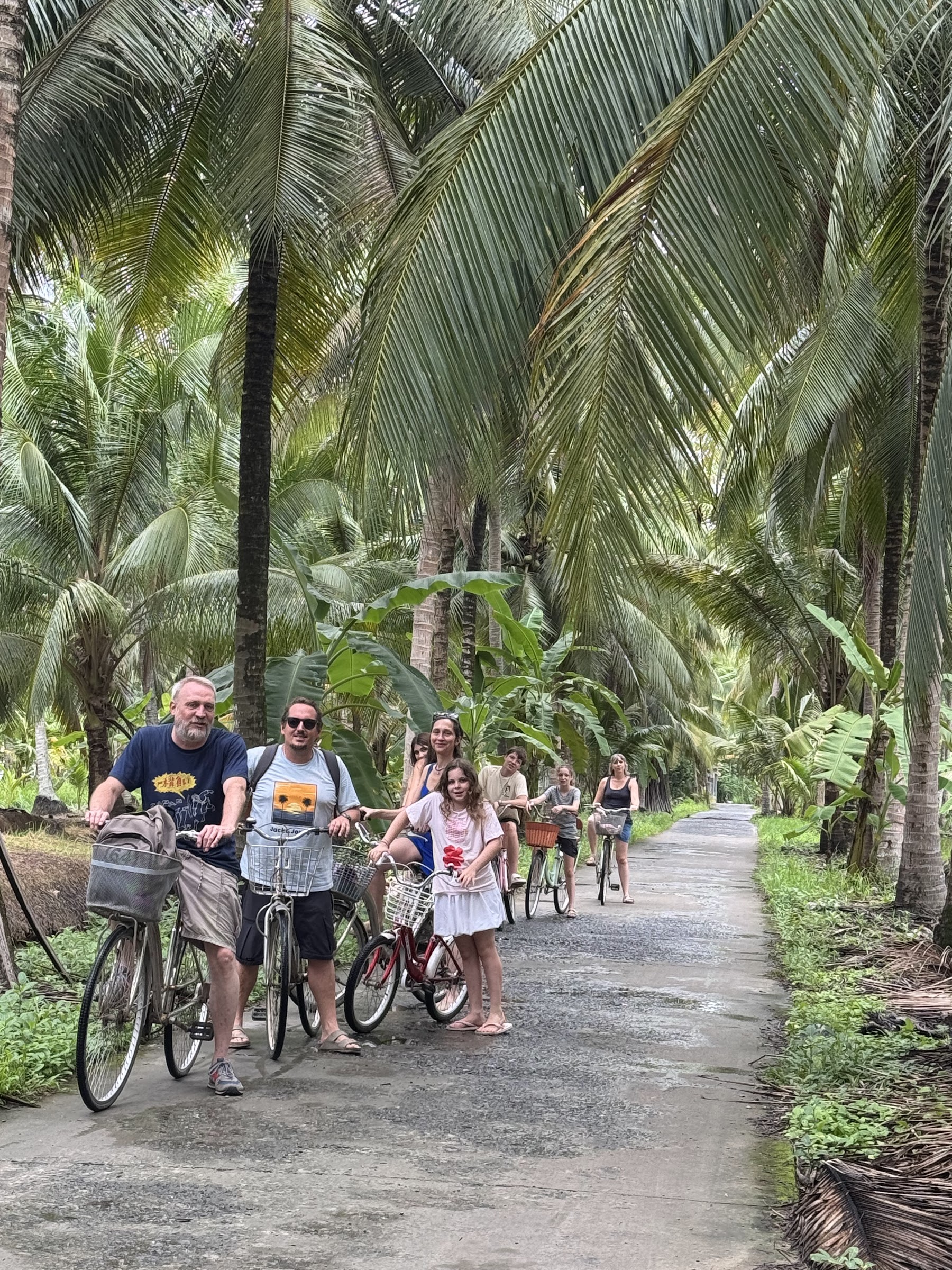 Short distances reveal more when the route follows village scale. Photo: Coco Happy Farm.
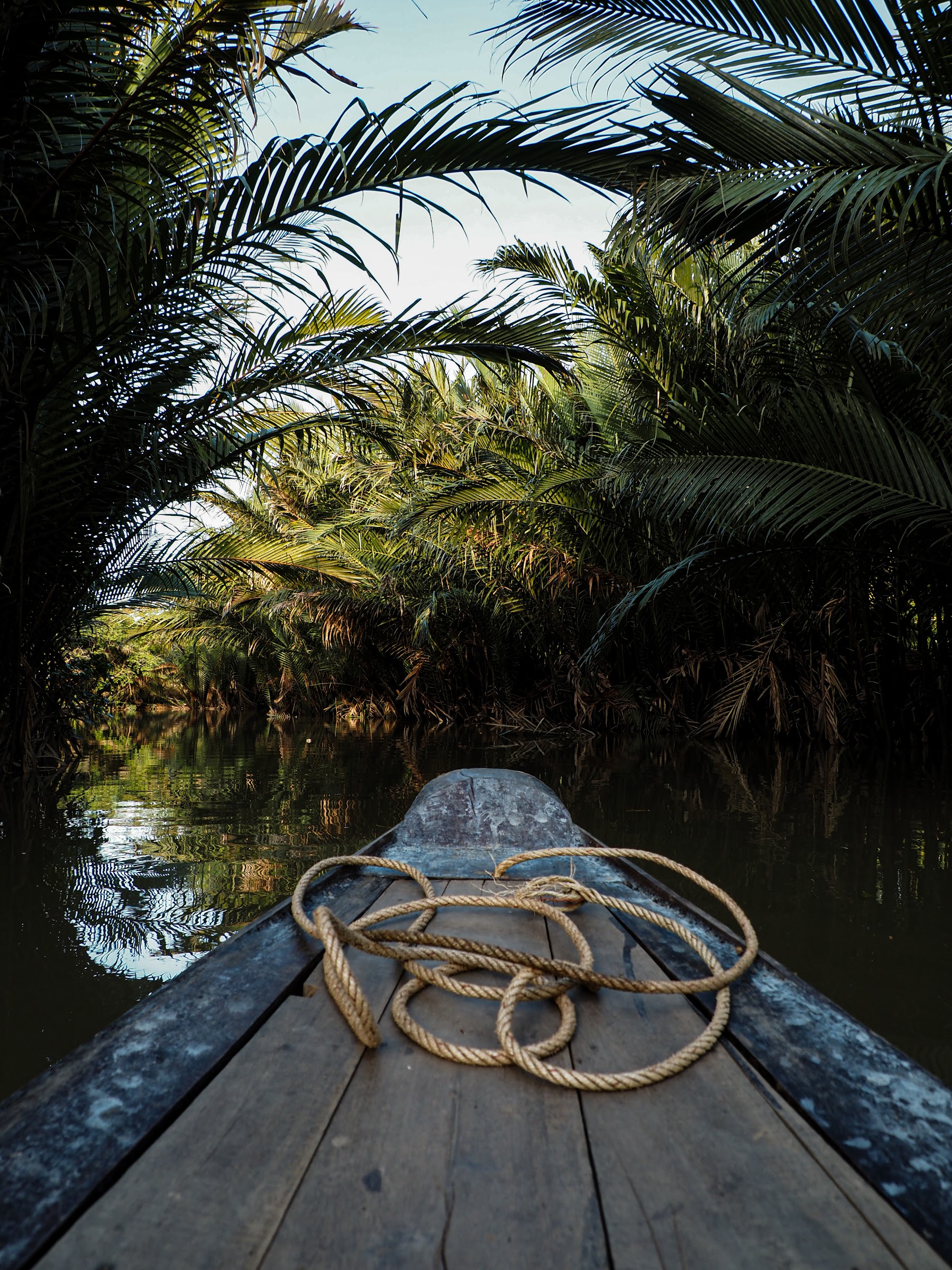 On narrow canals, silence and a low-impact boat matter more than speed. Photo: Coco Happy Farm.
How to get there and move around
From Ho Chi Minh City to Ben Tre: a private car to Coco Happy Farm normally takes about 2 hours 15 minutes. Minh Tâm bus takes about 2.5 hours on the bus and roughly 3.5 hours total with transfers; guests get off at Đầu Lộ Mã Đá for farm pickup.
Between provinces: buses and private cars handle most long connections. Use boats for local experiences and crossings, not as the default way to cover the entire Delta. With children, large luggage or limited time, private road transport is usually simplest.
Bridges, ferries, city traffic, pickup points and transfers can turn a short map distance into a long travel day. Confirm the actual route with your accommodation.
Experiences worth slowing down for
Cycle a real village. Flat lanes keep you close to gardens, temples, workshops and everyday life. At Coco Happy Farm, staying guests can borrow regular bicycles and join one complimentary village cycling experience.
Use both river scales. A covered boat shows the larger waterway; a hand-rowed sampan reaches quiet nipa-palm canals. They tell different parts of the same story.
See work, not a demonstration invented for visitors. Markets, coconut handling and food preparation are most meaningful when they are allowed to remain real work.
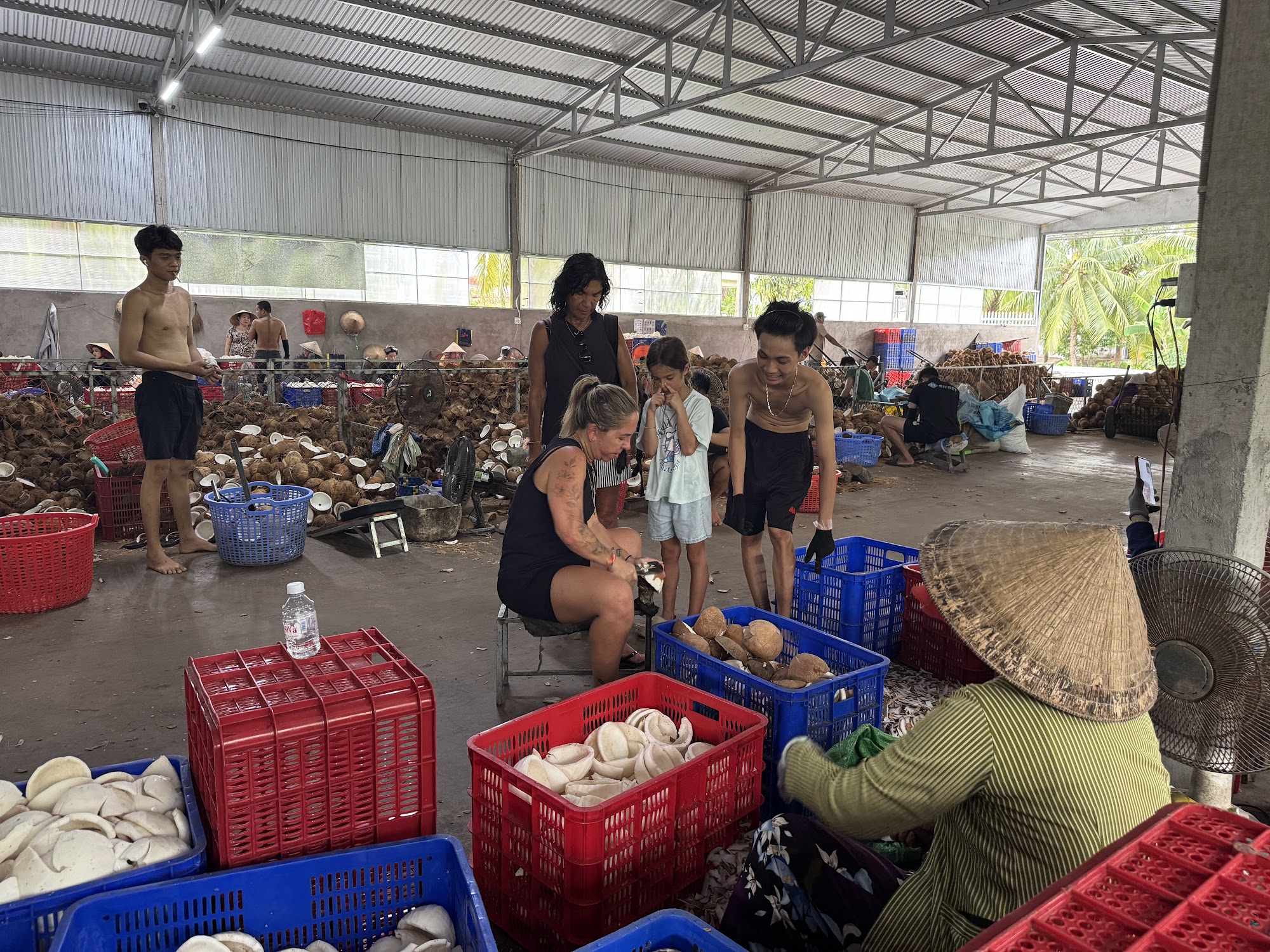 Coconut processing connects the garden landscape to local livelihoods. Photo: Coco Happy Farm.
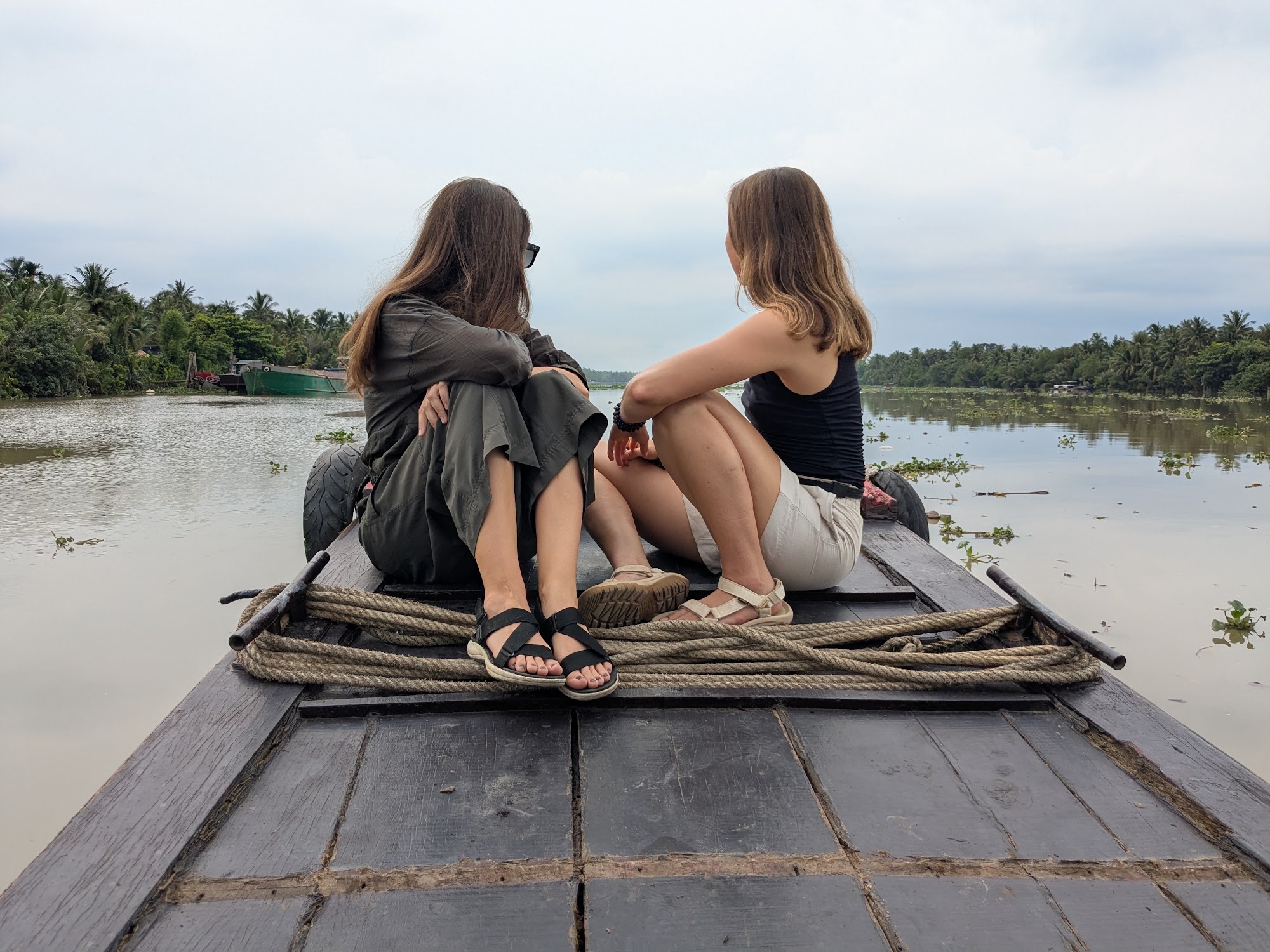 Leave space in the schedule simply to watch the river. Photo: Coco Happy Farm.
Eat locally and choose the right stay
Mekong Delta food changes by province, season and household. Expect rice, fish, prawns, vegetables, herbs, tropical fruit and coconut used in many forms. A family meal can reveal more than a list of famous dishes because it reflects what the garden and market actually provide.
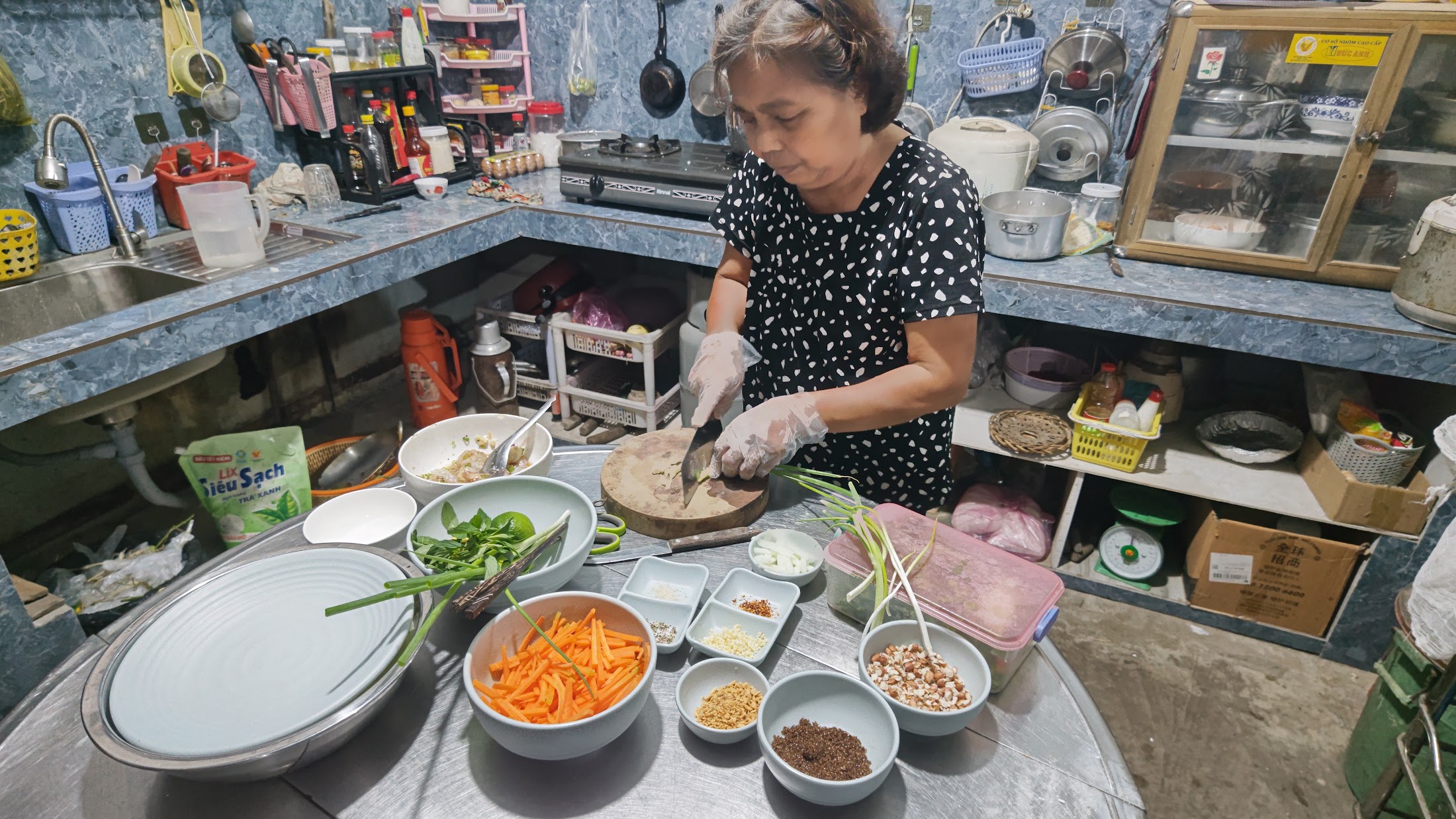 Home cooking begins with local ingredients and the needs of that day's guests. Photo: Coco Happy Farm.
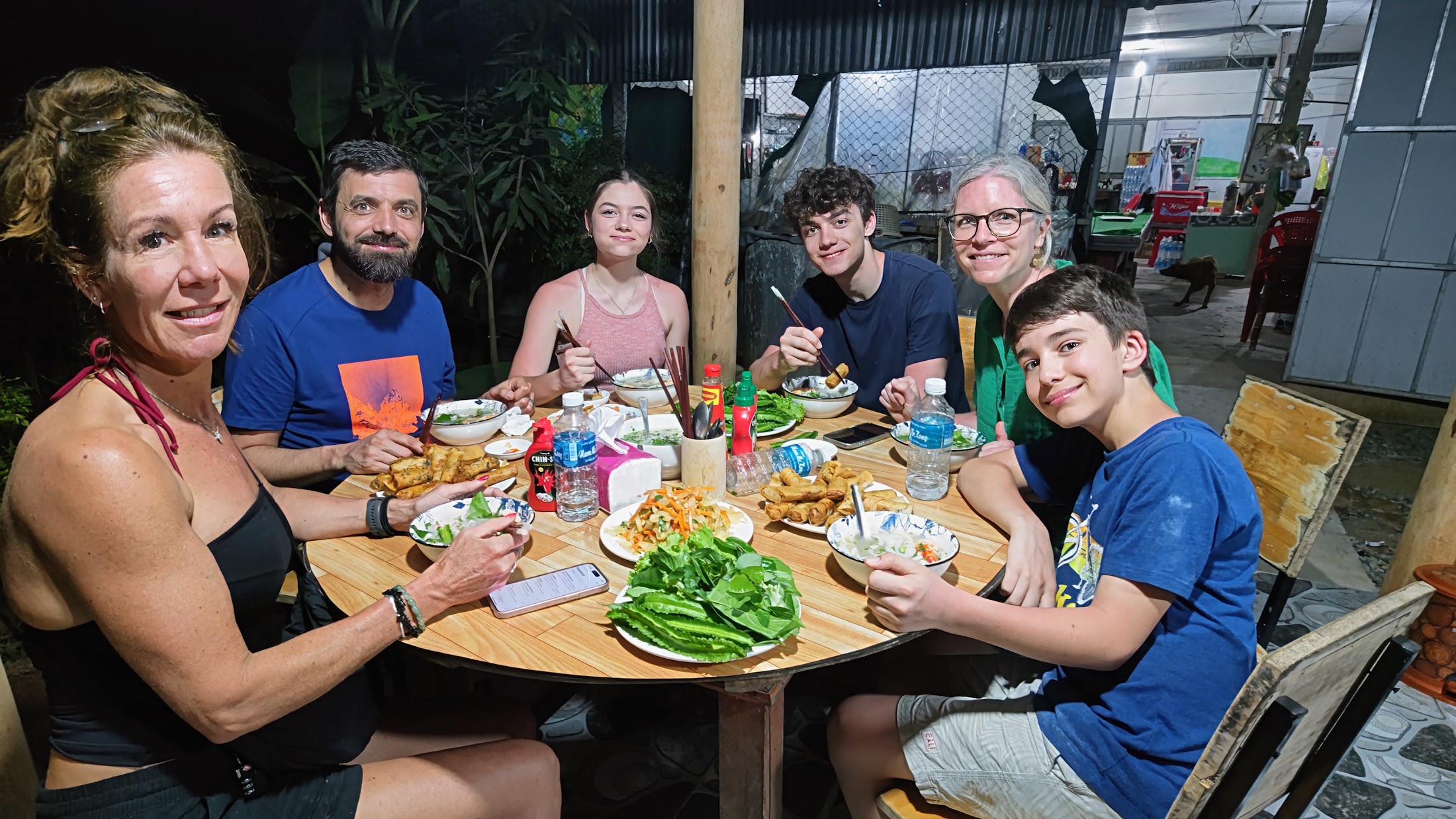 A shared table turns local food into conversation. Photo: Coco Happy Farm.
Choose accommodation by setting. A city hotel is practical for early departures and urban services. A village homestay or farmstay gives you quiet evenings, local hosts and access to rural routes. Coco Happy Farm is rustic and family-run rather than luxurious; bicycles are free, while fresh coconut and seasonal fruit are complimentary for in-house guests when available.
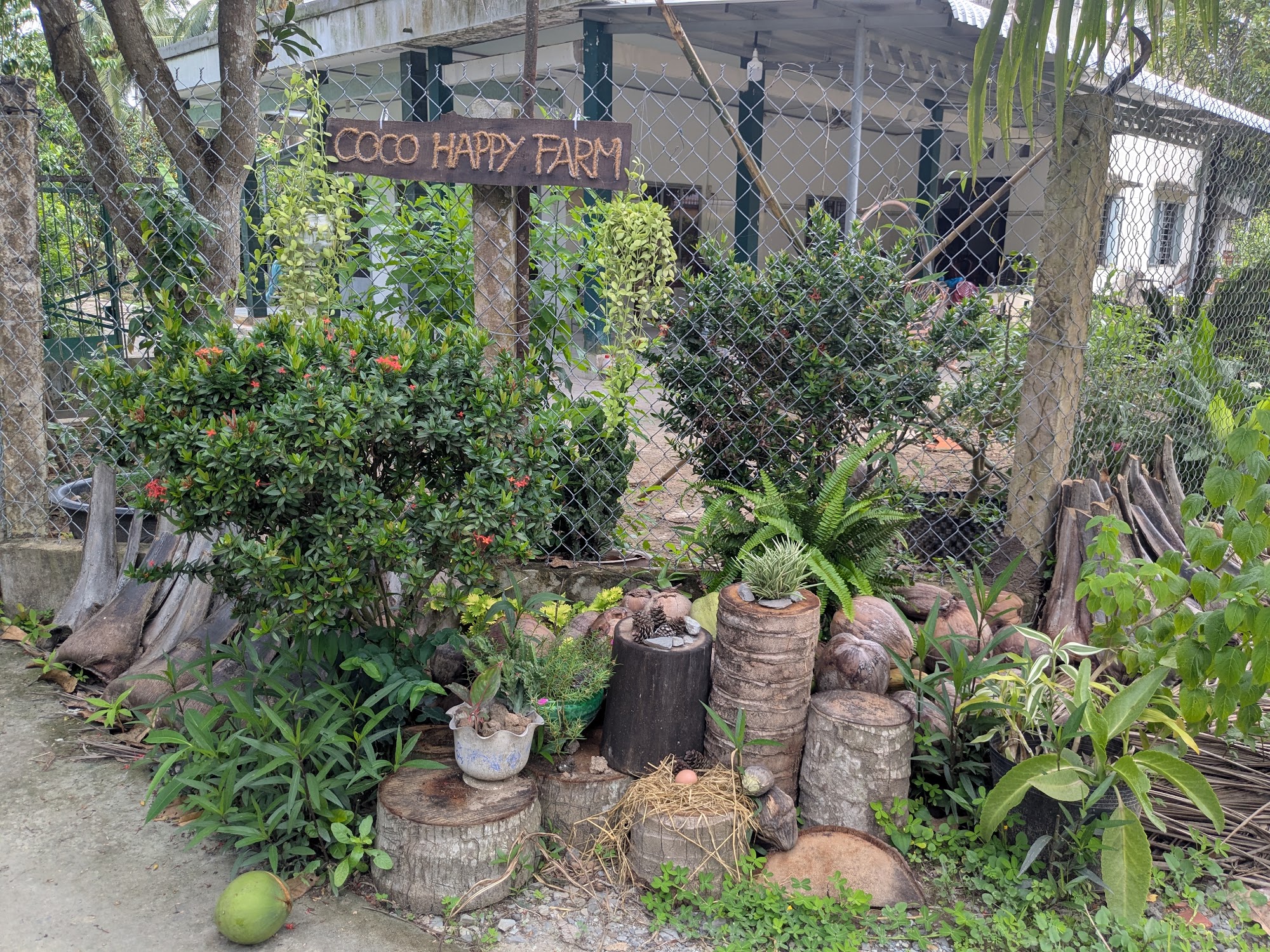 Coco Happy Farm is a small family farmstay inside a working coconut village. Photo: Coco Happy Farm.
 Evening journeys combine sunset, river life and fireflies when natural conditions allow. Artwork: Coco Happy Farm.
Travel without turning village life into a stage
- Ask before photographing people closely, homes, religious ceremonies or active work.
- Keep boats quiet near firefly habitat and never expect wildlife sightings to be guaranteed.
- Buy food, transport and experiences from local operators when practical.
- Do not block market customers or pressure workers to repeat tasks for a photograph.
- Carry water, reduce single-use plastic and follow local advice during rain, heat or high water.
Frequently asked questions
How many days do you need in the Mekong Delta?
Three days is a useful minimum for two contrasting bases such as rural Ben Tre and Can Tho. Five days allows Ben Tre, Can Tho and a quieter cultural or garden stop. Seven days works for travelers who want slower mornings and fewer long transfers.
Which is better, Ben Tre or Can Tho?
They suit different trips. Ben Tre is stronger for coconut villages, cycling, small canals and a rural farmstay. Can Tho is better for a larger river city, early-morning Cai Rang Floating Market and more urban services. Combining them gives a fuller picture.
Can you visit the Mekong Delta as a day trip from Ho Chi Minh City?
Yes, but a day trip shows only a small part of the region and involves several hours of travel. At least one overnight stay makes room for early markets, sunset, local food and village life after day visitors leave.
What is the best way to travel around the Mekong Delta?
Use road transport between provinces, then explore locally by bicycle, walking and appropriate boats. A private car is easiest with luggage; buses are cheaper but require more transfers and time.
When is the best time to visit the Mekong Delta?
The region is open year-round. December to April is generally drier and easier to plan. The rainy season is greener, with tropical showers and changing river conditions. Heat, rain and tides should shape each day's route.
Is the Mekong Delta suitable for families?
Yes, when distances and activities are kept realistic. Choose short boat rides, shaded cycling, rest time and accommodation with space. Adults must supervise children closely near canals, boats, roads and working farms.
Begin the Delta in a real coconut village.
Stay with our family in Lương Hòa, explore Ben Tre slowly, then continue to Can Tho, Tra Vinh or Vinh Long with a clearer understanding of the region.
Sources and editorial method: Ben Tre guidance and photographs come from Tran Quoc Thuan's life in Lương Hòa and experience hosting international guests at Coco Happy Farm. Destination facts were checked against the official Can Tho tourism portal and Vietnam's official tourism information. Search presentation follows Google's guidance on people-first content and matching visible content with structured data. Transport, markets, weather and activity conditions can change; confirm time-sensitive details for your dates.