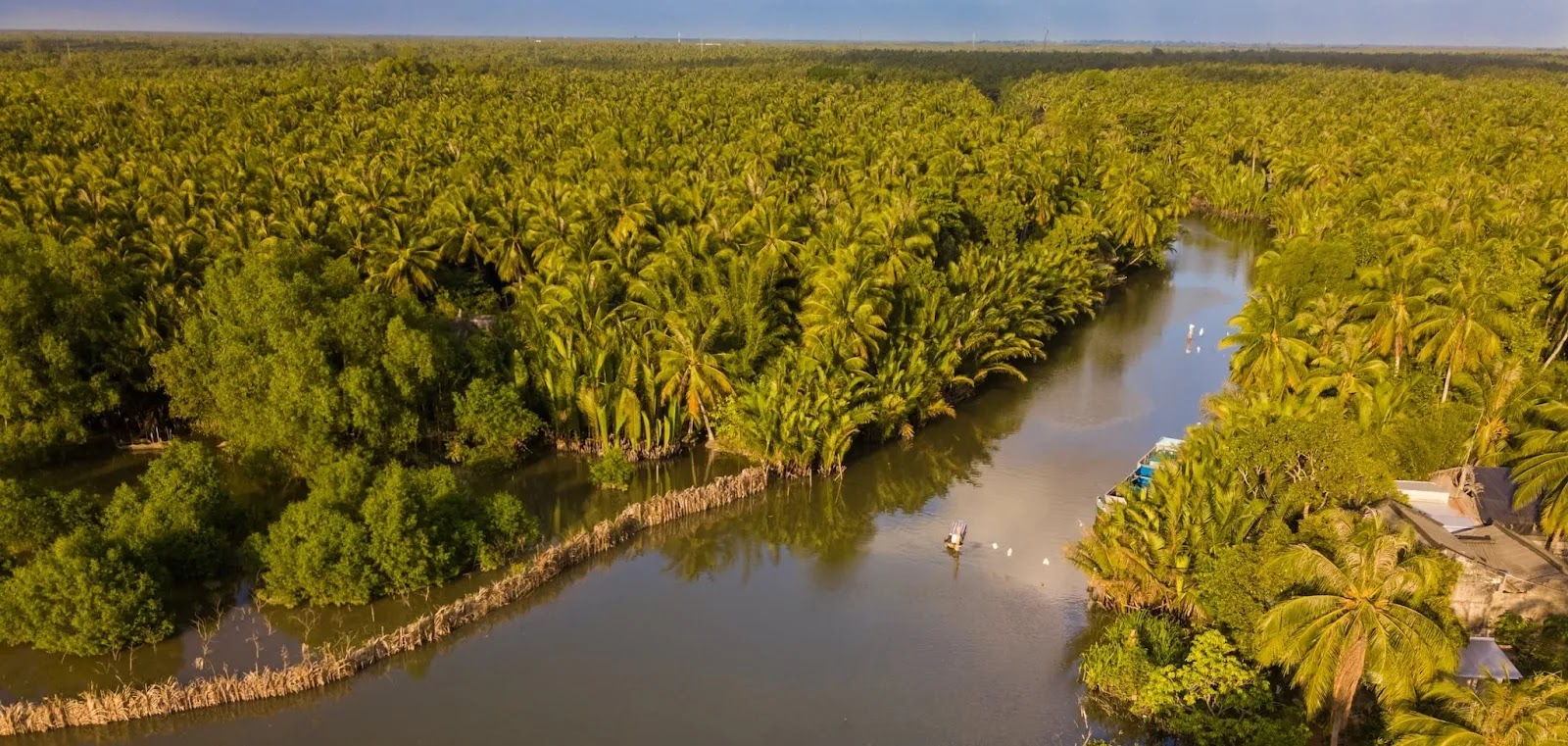
Stay longer, buy locally and ask before entering someone else’s day.
Responsible travel in Ben Tre is less about collecting an “eco” label and more about ordinary decisions: choose transparent local hosts, pay agreed prices, leave room for real customers, ask before close photographs, keep wildlife encounters quiet and accept that work, weather and harvests do not run on a tourist timetable.
The coconut gardens, markets, boats and workshops visitors enjoy are parts of local life. Tourism can support them, but attention can also interrupt them. The useful question is not “Is this authentic?” It is “Who chose this visit, who benefits and what had to change for me to be here?”
Choose fewer experiences—and check how they work
Who hosts it?
Know whether the person rowing, cooking, guiding or demonstrating is a local host and whether they agreed to today’s visit.
What is included?
Clear duration, price, transport and cancellation terms reduce pressure and misunderstandings for guests and hosts.
Time over stops
One market, one village route and one boat journey usually teach more than a rapid list of staged demonstrations.
Not today
A workshop may be quiet, fruit may not be ripe and wildlife may not appear. Uncertainty is evidence of a living place.
Visit a market as a customer, not as the main event
Morning markets are working spaces. Walk at the edge of the flow, keep bags close, avoid standing in doorways and ask before making a person’s face the subject of a photograph. A purchase is welcome when you want the product; it should not become a fee for a portrait that was never agreed.

This short video is useful because it shows movement and scale without presenting the market as a private set. Watch first; then visit with the same awareness that the people around you are shopping and working.
Treat homes, workshops and craft as places of work
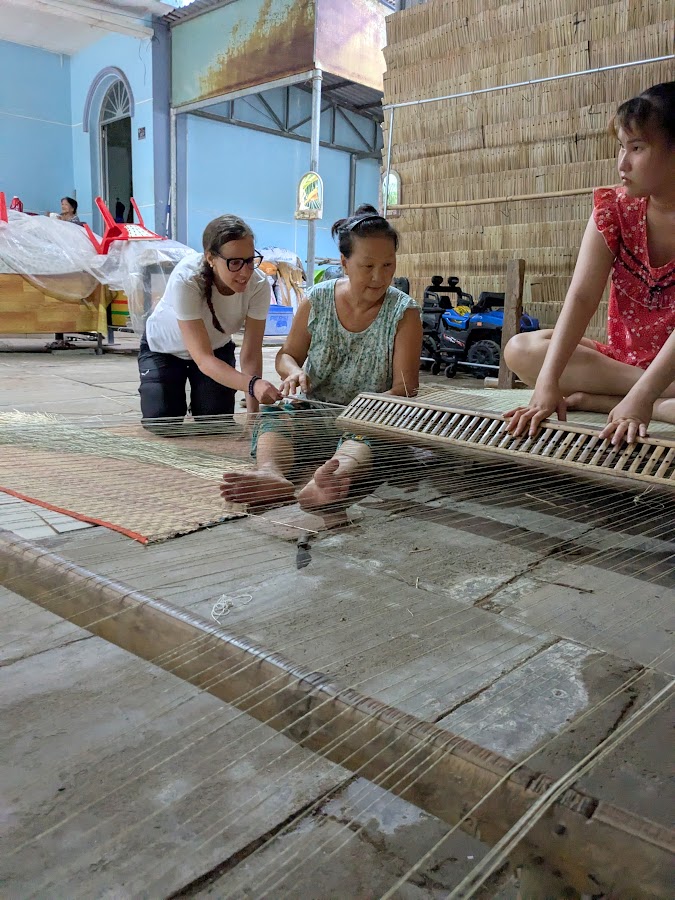
- Wait for the host to show where to stand, sit or touch tools.
- Do not ask someone to repeat a task only for a photograph.
- Ask before photographing children, private interiors or religious objects.
- Pay the agreed visit or guide price; buy a product only if it is useful to you.
- Keep group size and noise appropriate to a home or small workplace.
Keep boats quiet and wildlife wild
Fireflies are affected by darkness, weather, vegetation and disturbance. Do not demand brighter light, shaking branches or guaranteed numbers. On narrow canals, wear the provided life jacket, keep hands inside the boat when passing vegetation and follow the rower’s instructions. The firefly guide and hand-rowed boat guide explain the trade-offs in more detail.
Reduce waste without pretending travel has no footprint
Bring a refillable bottle, refuse extra bags when they are unnecessary and carry a small dry pouch instead of repeatedly wrapping belongings in disposable plastic. Walking, cycling and shared transport can reduce some vehicle use, but safety, luggage and rural distances still matter. A private car may be the sensible option for a late airport arrival; a local bus may work better for a flexible daytime journey. Compare both in the Ho Chi Minh City to Ben Tre guide.
What Coco Happy Farm can honestly claim
- The farmstay is family-run on family coconut land.
- Guests can spend locally on meals, transport and hosted experiences.
- Staying overnight supports slower travel than a rushed multi-province day trip.
- Many activities use existing village roads, gardens and waterways.
- No sustainability certification is claimed.
- No trip is described as zero-impact.
- Every coconut, fruit or ingredient is not automatically from the farm.
- Wildlife, harvests and household work are never guaranteed.
Frequently asked questions
What does responsible travel mean in Ben Tre?
It means spending and behaving in ways that respect a lived-in rural place: use local hosts and services when practical, ask before photographing people or work, keep wildlife encounters quiet, reduce avoidable waste and accept that real village activities cannot always be staged on demand.
Is every homestay or eco-tour automatically sustainable?
No. Labels are not proof. Ask who owns the business, where money goes, whether local people choose when visits happen, how waste is handled and whether wildlife or work is altered mainly for photographs.
Should I visit a market with a guide?
A guide can add context, but you can also visit independently. Either way, leave room for shoppers, avoid blocking stalls, ask before close portraits and buy only what you genuinely want.
How can I support local livelihoods?
Stay overnight, eat locally, book directly when the terms are clear, pay the agreed price and choose fewer meaningful activities. Small purchases help most when they are wanted and fairly priced, not made from pressure or pity.
How does Coco Happy Farm approach sustainability?
Coco Happy Farm is a small family-run stay on a working coconut property. It supports local hosts and services and encourages slower stays, but it does not claim a certification or promise that every part of a guest trip is low-impact.
Make the village part of the trip—not a backdrop.
Stay at least one night, choose a small number of experiences and ask Thuần what is realistic for your dates. Compare the three room types or message Thuần directly.
Sources and editorial method: Practical principles were checked against the official Vietnam Tourism responsible travel guide. Property-specific statements come from Tran Quoc Thuan’s experience living in Lương Hòa and hosting visitors. This page deliberately avoids certification and impact claims that Coco Happy Farm cannot document.